











K-1 and K-3 Visas – relocation to the USA for marriage and family reunification
K category visas are intended for family members of US citizens who plan to get married or are already married to a US citizen. The K-1 visa allows a fiancée or fiancé to enter the USA to conclude a marriage, the K-3 visa is issued for spouses of US citizens, and the K-2 and K-4 visas are intended for the children of the principal applicant. The procedure includes filing immigration petitions with USCIS and applying for visas through the US consulate.





Need help or consultation regarding K-1, K-2, K-3 and K-4 visas in the USA? Contact our immigration attorney.
Message us in any convenient messenger – we will respond shortly.

What are K-1, K-2, K-3 and K-4 visas and who are they for
K category family visas to the USA are intended for a fiancée, spouses, and children of a US citizen. These categories allow entry into the country for marriage or family reunification in the USA with subsequent immigration status.
The K-1 visa in the USA is issued for the fiancée or fiancé of a US citizen if the marriage has not yet been registered. After entry, the marriage must be concluded within 90 days.
The K-3 visa in the USA is intended for spouses of US citizens who are already married and allows them to wait for approval of the immigration petition while staying in the USA.
The K-2 visa for children and the K-4 visa for children allow minor children of the principal applicant to enter together with the parent.
The procedure includes filing a petition with USCIS (Form I-129F or I-130), completing the consular stage, and filling out Form DS-160. After entry, it is possible to apply for adjustment of status and obtain a green card.
Who K-1, K-2, K-3 and K-4 visas are suitable for
The K-1 fiancée visa in the USA is suitable for applicants who:
- are in a genuine relationship with a US citizen;
- plan to conclude a marriage in the USA;
- are ready to register the marriage within 90 days after entry;
- meet the requirements of USCIS and the US consulate.
After the marriage is concluded, an Adjustment of Status application is filed to obtain permanent residence.

The K-2 visa for children is issued for:
- biological or adopted children of the fiancée or fiancé;
- children under 21 years of age;
- children who are unmarried.
Children may enter together with the parent or later, but within the validity period of the main K-1 visa. After the parent’s marriage, they may also apply for adjustment of status.

The K-3 visa for spouses of US citizens is used in cases where:
- the marriage is already registered;
- Form I-130 has been filed;
- the spouse is waiting for completion of the immigration process.
The conditions of the K-3 visa require proof of a genuine marriage, financial support from the US citizen, and completion of a standard consular review. This category accelerates family reunification in the USA.

The K-4 visa for children is intended for minor children of a spouse of a US citizen.
The requirements are similar:
- age under 21 years;
- unmarried status;
- dependency on the principal applicant under the K-3 visa.
Conditions for obtaining K-1, K-2, K-3 and K-4 visas and requirements for applicants
K category family visas to the USA are intended for a fiancée, spouses, and children of a US citizen and are used for marriage or family reunification in the USA with subsequent immigration. Unlike immigrant categories, the K-1 visa in the USA and the K-3 visa in the USA are nonimmigrant in form, but they imply дальнейшее получение грин-карты.
The key factors are the legal validity of the relationship, compliance with the conditions of the K-1 visa or the conditions of the K-3 visa, as well as financial support from the US citizen.
Key conditions for obtaining K-1 and K-3 visas

To obtain a K-1 visa in the USA, it is necessary to confirm the authenticity of the relationship and the intention to conclude a marriage within 90 days after entry. For a K-3 visa in the USA, an officially registered marriage is required. Proof of a genuine union – is a basic condition for family reunification in the USA.
Applying for a K-1 visa in the USA or a K-3 visa in the USA begins with filing Form I-129F, and in case of marriage, Form I-130 is additionally filed. Approval of the petition confirms compliance with legal requirements and launches the consular stage of processing a family visa to the USA.
One of the mandatory conditions of the K-1 visa and the K-3 visa conditions is confirmation of the US citizen’s income. The sponsor must prove the ability to financially support the spouse or fiancée, as well as children under the K-2 visa for children or the K-4 visa for children.
After the petition is approved, the applicant completes Form DS-160 and attends an interview at the US consulate. At this stage, compliance with the conditions of the K-1 visa or the K-3 visa conditions is verified and the authenticity of the relationship is assessed.
After entering the USA on a K-1 visa, it is necessary to conclude a marriage and apply for adjustment of status. When entering on a K-3 visa in the USA, a transition to permanent residence is also possible. Children under K-2 and K-4 visas adjust status together with the parent.
K-1 and K-2 visas – for a fiancée or fiancé of a US citizen and their children
The K-1 visa in the USA allows a fiancée or fiancé of a US citizen to enter the country for marriage. After registering the marriage within 90 days, the applicant gains the right to apply for adjustment of status and obtain a green card. The K-2 visa for children is issued simultaneously and allows minor children to relocate together with the parent.
This format belongs to the category of family visas to the USA and is used in situations where the marriage has not yet been registered, but the parties plan to conclude it in the USA.
The K-1 fiancée visa in the USA is issued subject to confirmation of a genuine relationship with a US citizen and the intention to conclude a marriage within 90 days after entry. This is the key condition of the K-1 visa. After registering the marriage, the applicant may apply for adjustment of status and begin the process of obtaining permanent residence.

The K-2 visa for children allows minor children of the fiancée or fiancé to relocate together with the parent. Children must be under 21 years of age and unmarried. After the marriage is concluded and adjustment of status is filed, they have the opportunity to obtain permanent residence on equal terms with the principal applicant.

After entering the USA on a K-1 visa and concluding the marriage, the green card process begins through filing documents with USCIS. This mechanism makes the K-1 visa in the USA a tool not only for marriage, but also for further family reunification in the USA. Children under the K-2 visa go through the procedure together with the parent, ensuring a unified immigration process for the entire family.
K-3 and K-4 visas – for spouses and children of US citizens
The K-3 visa in the USA is intended for spouses of US citizens who have already registered their marriage but are waiting for completion of the immigration process. This category allows faster family reunification in the USA and entry into the country before the final review of the immigration petition. The K-4 visa for children is issued for minor children of the spouse and allows them to relocate together with the parent.
Such family visas to the USA are used when Form I-130 has been filed, but the case review takes time and the spouses do not want to remain separated.

The K-3 visa in the USA is issued after filing the immigration petition I-130. Its purpose – is to ensure temporary entry of the spouse into the USA while the case is under review. The conditions of the K-3 visa require proof of a genuine marriage and financial support from the US citizen.
The K-4 visa for children is intended for minor and unmarried children of the spouse of a US citizen. Children may enter together with the parent and subsequently obtain permanent residence. This mechanism preserves family unity within the family reunification procedure in the USA.

After entering the USA on a K-3 visa, the spouse files documents for adjustment of status and obtaining a green card. Children under the K-4 visa go through the procedure simultaneously with the parent. Thus, the visa for spouses of US citizens becomes a stage toward full immigration and obtaining lawful permanent resident status in the USA.
Main forms and applications for obtaining K-1, K-2, K-3 and K-4 visas
The process of obtaining a K-1 visa in the USA and a K-3 visa in the USA is based on the proper filing of immigration forms with USCIS and the subsequent completion of the consular stage. Although K categories are nonimmigrant, they are directly connected to obtaining a green card and family reunification in the USA.
The accuracy of document preparation, compliance with the conditions of the K-1 visa or the K-3 visa conditions, and confirmation of financial support from the sponsor determine the final decision on a family visa to the USA.

K-1, K-2, K-3 and K-4 visas require not just completing forms, but building a logical legal chain – from filing a petition with USCIS to attending a consular interview and transitioning to permanent residence. An error at any stage may lead to delays or additional requests from immigration authorities.

Why immigration attorney support is important when applying for K-1, K-2, K-3 and K-4 visas
Applying for a K-1 visa in the USA or a K-3 visa in the USA – is not just filling out forms and submitting documents. Although K category family visas to the USA are not subject to visa quotas, the procedure requires strict compliance with USCIS and US consulate requirements. The authenticity of the relationship, compliance with the conditions of the K-1 visa or the K-3 visa conditions, financial support from the US citizen, and proper filing of the I-129F or I-130 petition are carefully reviewed.
Even minor inconsistencies in documents, contradictions in applications, or insufficient supporting evidence may result in requests for additional evidence, administrative delays, or denial. Mistakes at the filing stage directly affect the timeline of entry under a fiancée visa to the USA or a visa for spouses of US citizens and may complicate the further transition to obtaining a green card.
We:
With professional support, the applicant saves time, reduces the risk of denial, and receives a more predictable outcome. A properly prepared case increases the chances of approval of a K-1 visa in the USA or a K-3 visa in the USA, facilitates status processing for children under the K-2 and K-4 visas, and supports the subsequent transition to permanent residence.
Want to obtain your visa as soon as possible?
Discuss your situation with an immigration expert.

ReLocate – is a team of immigration lawyers and attorneys. For more than 14 years we have been supporting clients in immigration matters and assisting with complex visa applications. We specialize in immigration law, passport and visa regulations, and border control compliance.
A team of specialists will work on your case



Why our services – are not expenses, but an investment
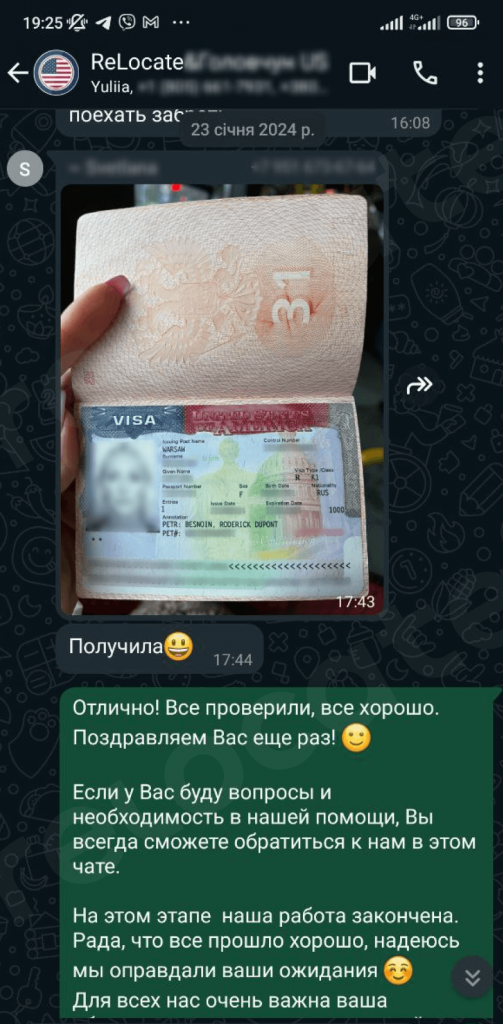
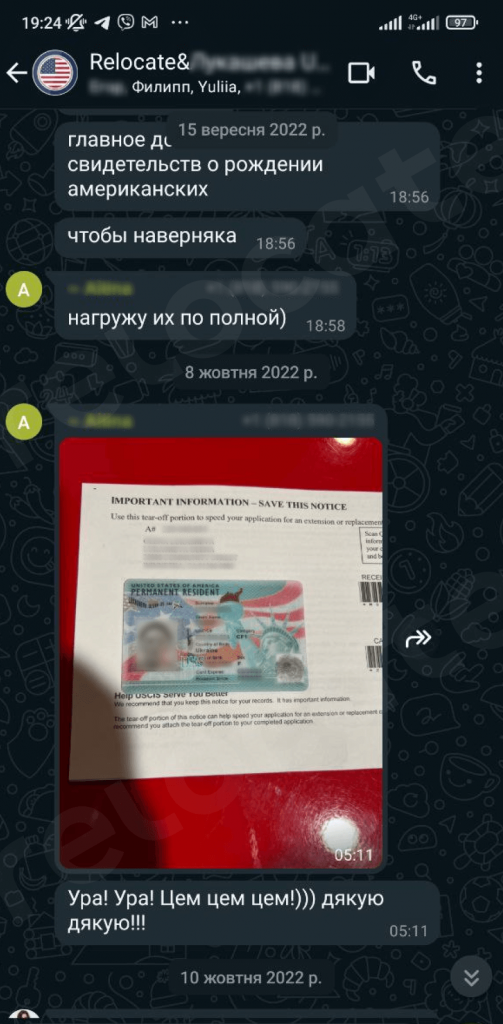
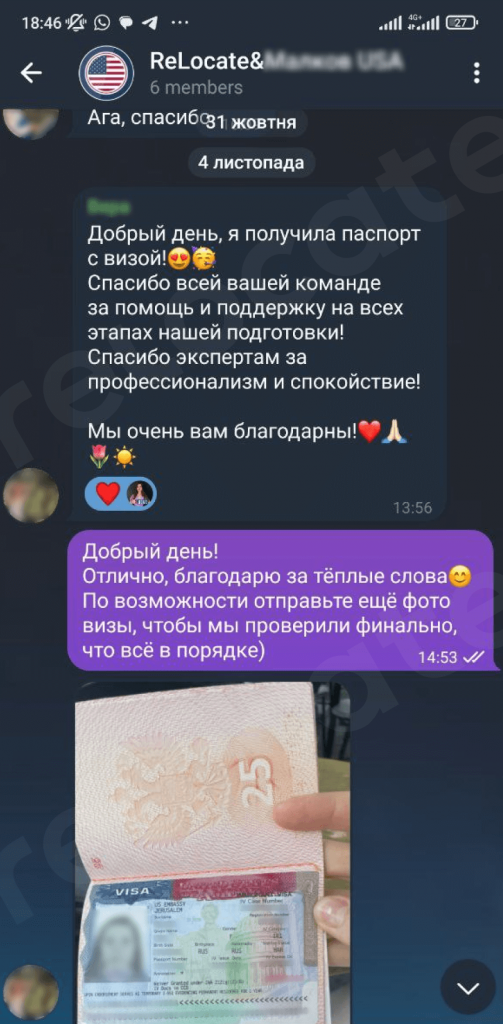


Ready to discuss your situation with an attorney?
Our lawyers are available. Leave a request and get a consultation.