











Family Visa for Australia
Family reunification visas in Australia include Partner visa Subclass 820/801, Partner visa Subclass 309/100, Parent visa Subclass 103 and Child visa Subclass 101. This category is regulated by the Department of Home Affairs, and the requirements depend on the sponsor's status, the family relationship, the place of application and the supporting documents. The service is suitable for spouses, de facto partners, parents and children if the goal is lawful residence in Australia based on family ties.





Planning to move to join your family in Australia?
We will review your case, check the requirements and prepare a clear plan for your application.
What Partner, Parent and Child visas in Australia are and who they are suitable for
Family visas for Australia are intended for people who want to move to a close family member who is already legally living in the country. This category usually covers visas for spouses, de facto partners, parents and children. At first glance, the logic may seem simple: there is a family relationship - so an application can be submitted. In practice, however, it is more complicated.
The Australian migration system looks at more than just the family connection. It matters who acts as the sponsor, where the applicant is located, what type of relationship must be proven, whether there are dependent family members and how convincingly the documents are prepared. That is why a family visa for Australia is not one universal application form, but several different pathways, each with its own conditions.
Who may be eligible for a family immigration category

Partner visa 820 is usually considered for spouses or de facto partners who apply from within Australia. This pathway is for those who are already in the country and want to prove their relationship with an Australian citizen, permanent resident or eligible New Zealand citizen. Evidence of shared life, financial ties, communication, relationship history and the intention to build a family together is especially important here.

Partner visa 309 is suitable for a spouse or partner who is outside Australia at the time of application. This option is often chosen by couples who currently live in different countries or are preparing for relocation in advance. In this case, the applicant needs to show that the relationship is not formal, but genuine: with a shared history, communication, meetings, plans and a clear logic for the future move.

When it comes to marriage, applicants often look for a wife visa for Australia or a husband visa for Australia. But the fact of an official marriage alone does not guarantee a positive decision. It must be shown that the marriage exists not only on paper. The immigration case officer assesses shared household arrangements, communication, financial commitments, social recognition of the couple and other details that demonstrate the genuine nature of the relationship.

A partner visa for Australia may be suitable not only for legally married spouses, but also for couples in a de facto relationship. Here, it is especially important to collect evidence carefully. Sometimes a couple may not have shared property or a long history of living together, but there may be other proof: messages, trips, shared expenses, statements from friends and relatives, and future plans. These details should not just be attached - they need to be explained properly.

Parent visa 103 Australia is one of the visa options for parents whose children live in Australia and can act as sponsors if the conditions are met. This pathway is often considered by families who want not just a temporary visit, but a gradual move toward long-term family residence. For parent visas, it is especially important to assess the processing times, sponsor requirements and realistic application strategy in advance.

Child visa 101 Australia is intended for a child who is outside Australia and needs to move to a parent. This situation usually arises when one or both parents already have an eligible status in Australia. For this category, documents confirming the family relationship, custody, the consent of the second parent where applicable, and proof that the move is in the child's best interests are important.

Family reunification in Australia can look different in each case. For one family, it may mean relocating a partner, for another - arranging a visa for a child, and for a third - building a long-term strategy for parents. That is why before applying, it is important not just to choose the visa name, but to understand which category truly matches the family's circumstances.
Differences between Partner, Parent and Child visas and applicant requirements
Family visas differ not only by name. Each category has its own logic: for a partner, genuine relationship evidence must be provided; for parents, the connection with a child in Australia and compliance with the parent visa requirements are important; for a child, dependency on the parent and the right to move to them must be shown.
That is why before applying, it is important not to guess which option is suitable, but to calmly assess the situation. Where is the applicant located? What status does the relative in Australia have? Is there an official marriage, a de facto relationship, family relationship documents, consent from the other parent, financial evidence? These details often determine which pathway will be correct.
Key requirements for family visas in Australia

For the partner category, proving a genuine relationship becomes the main focus. Partner visa Australia may be considered for a spouse or de facto partner, but the applicant must show not only the fact of the relationship, but also its stability: shared history, household arrangements, financial connection, communication, plans and social recognition of the couple.
In many family visa applications, not only the applicant matters, but also the person in Australia. The sponsor is usually an Australian citizen, permanent resident or eligible New Zealand citizen. If the case concerns a partner, the sponsor must confirm their role in the relationship. If a parent visa for Australia is being considered, the status of the child living in the country is important.
For partner visas, the applicant's location is especially important. Partner visa 820/801 is usually associated with applying from within Australia, while Partner visa 309/100 is linked to applying from outside the country. This affects the strategy, processing times, residence status and further steps after submission.
How to apply for a family reunification visa in Australia
Applying for a family visa does not start with the form, but with a proper assessment of the situation. First, it is necessary to understand which category suits the family: partner, parent or child. A mistake at this stage can lead to unnecessary expenses, delays and repeated document preparation.
In practice, applying for a family visa in Australia is more complicated than simply collecting a standard set of certificates. It is necessary to show a clear family story: who is moving to whom, on what basis, what status the sponsor has, which documents confirm the relationship or family tie, and why the chosen category truly matches the applicant's situation.
At the first stage, a specialist analyzes the family situation and selects the correct visa pathway. A partner category may be considered for a spouse or de facto partner, a parent category for parents, and a child category for a child.
Here it is important to consider not only the family relationship, but also the place of application, sponsor status, the child's age, custody arrangements, relationship history and the family's long-term goal. It is at this stage that it becomes clear whether an Australian family visa is suitable for the applicant or whether another migration scenario should be considered.
Next, the person who is in Australia and supports the application is assessed. Usually this is the applicant's spouse, partner, parent or child. Their status must meet the requirements of the selected category.
For partner applications, the right to sponsor a spouse or de facto partner is checked. For child and parent categories, the family relationship, residence in Australia and the ability to prove family dependency or support are analyzed. This is an important stage because a weak sponsor position can affect the entire application.
After the category is selected, document preparation begins. For a partner visa, evidence of a genuine relationship is collected: shared history, messages, photos, trips, financial ties, living together and statements from close people.
For parents and children, the focus shifts to documents confirming family ties, custody, consent from the other parent, the child's dependency or the parent's connection with the child in Australia. If a child visa for Australia is being prepared, it is especially important to check in advance whether there are any legal obstacles to the minor's relocation.
The application form itself does not reveal the whole family story. That is why explanations, statements from the parties and a properly structured document logic are very important. The immigration officer should see not a set of unrelated files, but a complete and credible picture.
At this stage, it is important to remove inconsistencies: different dates, incomplete information, weak explanations, documents without translation or confirmation. The more carefully the submission is prepared, the lower the risk of additional requests.
After preparation, the application is submitted through the relevant official mechanism. Online submission is used for many family visa categories, but the exact procedure depends on the visa type and the circumstances of the case.
After submission, the applicant may receive a request for additional documents, a medical examination, biometrics or clarification of certain facts. Therefore, support does not end on the day the application is sent. It is necessary to monitor deadlines, respond to requests and not ignore even minor comments from the department.
After assessment, the applicant receives a decision. In the partner category, this may include a temporary stage and then a permanent stage, for example Partner visa 801. For example, partner visas often include both a temporary and permanent stage, while parent categories may involve their own lengthy waiting procedure.
After approval, it is important to understand the visa conditions: the right to live, work, study, further steps and possible transition to the next stage. For a family, this is no longer just a migration document, but the beginning of normal life together in Australia.
A clear strategy helps avoid unnecessary steps: not applying under the wrong category, not overloading the case with random documents and not wasting time correcting mistakes. Logic is especially important in family visa cases. When it is built in advance, the process becomes clearer and calmer for the whole family.
Main forms and documents for Australian family visas
A family visa application is built around two things: the correctly selected category and evidence that confirms the family relationship. In Australia, it is not enough simply to state that a person is a spouse, parent or child. Documents must be shown, the circumstances must be explained and contradictions must be removed before submission.
The set of forms differs for each category. A family visa for Australia for a partner will rely on relationship evidence, statements from the parties and sponsor confirmation. The parent category will require documents about family ties and sponsorship. The child category will require documents about the child, parents, custody and consent to relocate, if needed.

Proper preparation of forms reduces the risk of additional requests and delays. In family visa applications, what often matters is not the number of documents, but their logic: each file should answer a specific question from the officer and confirm the selected visa category.
Family immigration to Australia - solutions for spouses, partners, parents and children
Family immigration to Australia helps close family members live near each other instead of maintaining relationships across distance, rare visits and constant uncertainty. This pathway may be suitable for spouses, de facto partners, parents and children if there is a relative or partner in Australia who meets the sponsorship requirements.
Unlike an ordinary visitor trip, family visas involve a deeper review of the circumstances. The department assesses not only the documents, but also the logic of the case itself: whether the relationship is genuine, whether the family connection is confirmed, whether there is a right to sponsor, and whether the information in the forms and evidence is consistent. That is why a family visa for Australia requires not a formal collection of files, but careful preparation of the entire case.
What family immigration gives in practice

Family visas make it possible to move to a close person on lawful grounds. For spouses and partners, this is a chance to live together in Australia, build a shared household, work on long-term plans and not depend on short-term tourist visits.

For many applicants, a family category is not just a migration document. It is an opportunity to be close to children, a spouse, parents or another close person during an important period of life. When a family is separated by countries, even ordinary everyday matters become more difficult: care, support, raising a child and making joint decisions.

There is no single universal scenario for family immigration. A partner category is considered for a spouse or de facto partner. A parent visa for Australia may be suitable for parents if the conditions of the chosen visa type are met and there is an eligible sponsor. For a child, family relationship, age, dependency, custody issues and the consent of the other parent are assessed if required.
Why immigration lawyer support is important
Family immigration to Australia is rarely limited to filling out an application form. In such cases, it is important not only to collect documents, but also to properly explain the family situation: the relationship between spouses or partners, the connection between parents and children, the sponsor's status, the history of living together, custody matters and other circumstances.
Mistakes often appear where the applicant does not expect them. Documents may be genuine, but submitted without logic. Messages may confirm a relationship, but fail to show how it developed. Family ties may be obvious to the family, but not sufficiently explained for the officer. This is why support helps prepare not just a set of files, but a complete application that clearly shows the real story of the family.
What a specialist does when preparing a family case
Professional support is especially important when the family is not sure which category to choose, which documents will be persuasive and how to explain complex circumstances. If the goal is to apply for a family visa for Australia without chaotic preparation, it is better to build a strategy in advance and only then move on to submission.
Need help with a visa to Australia?
We will assess your family situation, suggest the right pathway and help prepare the documents for submission without unnecessary mistakes.

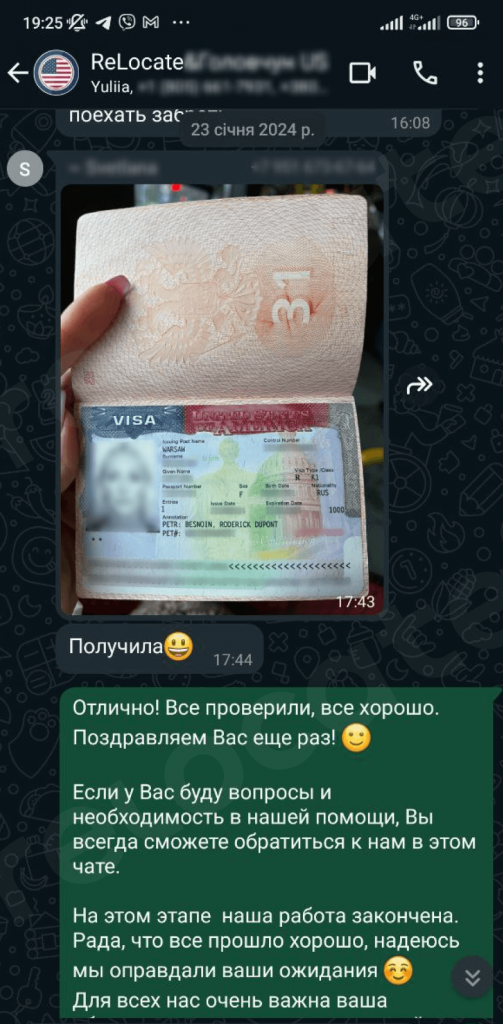
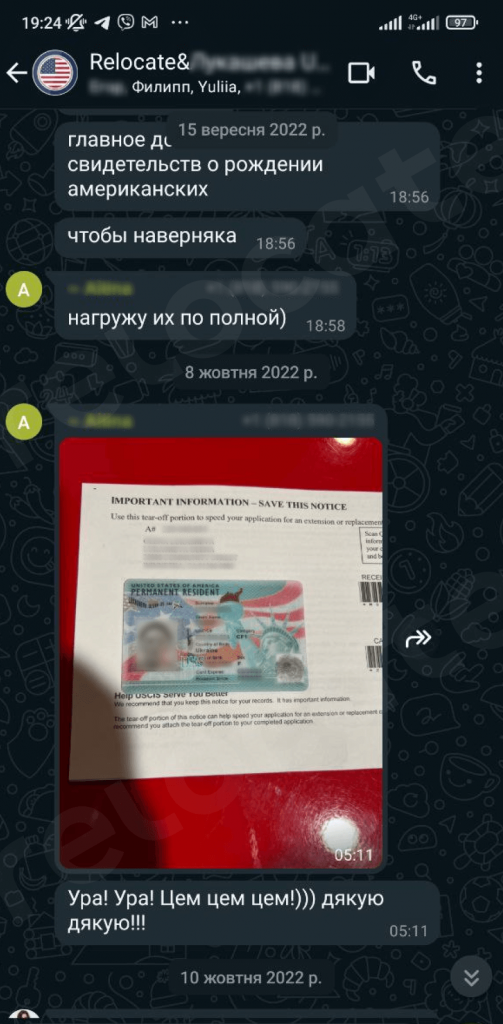
ReLocate is a team of immigration lawyers and attorneys. For more than 14 years, we have been supporting clients with immigration matters and helping them obtain complex visas. We specialize in immigration law, passport and visa procedures, and border regulations.
A team of lawyers will work on your case





Why our services are not an expense, but an investment
Not sure which visa to choose for Australia?
A specialist will review your story, explain the available options and help you avoid mistakes before applying.
Frequently asked questions
Usually, shared residence, financial ties, communication, trips, mutual support, future plans and how relatives or friends perceive the couple are assessed. A simple statement about feelings is not enough - a clear evidence base is needed.
If the situation is simple and the documents are strong, applying independently may be possible. But in cases involving complex relationships, divorces, children from previous marriages, missing documents or long periods of separation, it is better to get a professional assessment in advance.
For child and parent categories, more attention is given to documents confirming family ties, custody, consent from the other parent, family composition and the sponsor's status. There is no universal package - documents are selected according to the specific family story.
A common problem is that the applicant submits many files, but they do not form a convincing story. In family visa cases, completeness is not the only thing that matters - logic is also important: each document should explain why the person is eligible for the chosen category.