










Family reunification in Canada
Sponsorship of spouse, children and parents through IRCC. Family Sponsorship – immigration programs of IRCC that allow Canadian citizens and permanent residents to obtain Permanent Residence for close relatives. The main categories include Spouse or Common-law Partner sponsorship, Dependent Child sponsorship and the Parents and Grandparents Program (PGP). The application requires preparation of IRCC forms, proof of relationship and meeting sponsor requirements. The result – a prepared document package and submission for PR under the appropriate sponsorship category.





Planning family reunification in Canada?
Get a consultation on family reunification in Canada through family sponsorship Canada and assistance in preparing documents for IRCC.
What family sponsorship categories exist in Canada and who family reunification is suitable for
The family reunification program in Canada allows Canadian citizens and permanent residents to invite close relatives to obtain Permanent Residence through family sponsorship Canada programs. The main goal of these programs – to allow families to live together, work and build a life in Canada on a permanent basis.
Below are the main categories of family sponsorship Canada through which family reunification in Canada is possible.

One of the most common programs – spousal sponsorship Canada, which allows sponsoring a spouse, a registered partner or a common-law partner.
This category includes:
- – Spousal sponsorship Canada – sponsorship of a legally married spouse
- – Common-law sponsorship Canada – sponsorship of a partner who has lived together for at least 12 months
- – Conjugal partner sponsorship – a partnership where living together is impossible for objective reasons
Through such programs it is possible to apply for Permanent Residence by providing proof of relationship to IRCC: marriage documents, financial evidence and confirmation that the relationship is genuine.
The dependent child sponsorship Canada program is designed for cases where parents in Canada want to arrange immigration for their children.
This category is suitable for:
- – biological or adopted children
- – dependent children
- – children who are not married and meet IRCC requirements
Through child sponsorship in Canada, parents can include the child in a family sponsorship Canada application and obtain permanent resident status for them.
Another important family reunification category in Canada – the parents and grandparents program Canada (PGP).
This program allows Canadian citizens and permanent residents to invite:
- – parents
- – grandparents
Participation requires confirmation of income and preparation of PGP Canada documents, as well as meeting financial obligations to support relatives after their arrival.
In certain situations family sponsorship Canada may also apply to other relatives.
For example, sponsorship may be possible for:
- – brothers and sisters
- – nephews and nieces
- – other relatives
However, such cases apply only under specific conditions, for example if the sponsor has no other close relatives in Canada.
Immigration through family sponsorship Canada is usually suitable for the following categories of applicants:
- – spouses and partners of Canadian citizens or permanent residents
- – children who are dependent on their parents
- – parents and grandparents of Canadian residents
- – families who want to obtain Permanent Residence through family sponsorship
For a successful application it is important to choose the correct sponsorship category in Canada, prepare IRCC forms for sponsorship and collect proof of relationship for IRCC confirming the family connection.
How sponsorship through IRCC works: category selection, forms, evidence and review stages
The family reunification process in Canada through family sponsorship Canada takes place in several stages. First, the appropriate family sponsorship category is determined, then IRCC sponsorship forms are prepared, proof of relationship for IRCC is collected, after which the application for Permanent Residence is submitted.
Depending on the application category – spousal sponsorship Canada, common-law sponsorship Canada, dependent child sponsorship Canada or parents and grandparents program Canada – requirements and documents may differ slightly. However, the overall process logic through IRCC remains the same.
The first stage – determining the appropriate category of family reunification in Canada. The document package, processing time and sponsor requirements depend on this.
At this stage the following is analyzed:
- type of family relationship (marriage, common-law partnership, parent-child)
- sponsor status in Canada (citizen or permanent resident)
- place of residence of the applicant
- possibility of applying through inland or outland spousal sponsorship
Main categories:
- spousal sponsorship Canada – spouse sponsorship
- common-law sponsorship Canada – partner sponsorship
- dependent child sponsorship Canada – child sponsorship
- parents and grandparents program Canada (PGP) – parent sponsorship
Choosing the correct family sponsorship Canada category significantly reduces the risk of refusal and speeds up application processing.
After selecting the category, preparation of documents and completion of IRCC sponsorship forms begins.
The application includes several types of documents:
- sponsor and applicant forms
- questionnaires for family sponsorship Canada
- confirmation of the sponsor’s financial obligations
- documents confirming identity and status in Canada
- translations of official documents
When applying through spousal sponsorship Canada or common-law sponsorship Canada, additional forms confirming the nature of the relationship and cohabitation are also completed.
After preparation, the document package is submitted to the IRCC system to begin application processing.
One of the key stages of family sponsorship in Canada is collecting proof of relationship for IRCC.
Immigration officers must be sure that the relationship between the sponsor and the applicant is genuine and not created solely for immigration purposes.
Examples of IRCC relationship evidence may include:
- marriage certificate
- proof of living together
- joint bank accounts
- photos and correspondence
- joint trips and tickets
- statements from friends and relatives
For common-law sponsorship Canada it is especially important to prove cohabitation for at least 12 months.
After submitting documents, IRCC begins the process of reviewing the family sponsorship Canada application.
At this stage the applicant usually goes through:
- biometrics submission
- medical exam
- security screening and background check
- possible additional document requests (ADR)
- interview if required
After successful completion of the review, the applicant receives approval and can obtain Permanent Residence through the family reunification program in Canada.
Compliance with family sponsorship Canada program requirements
To participate in family reunification in Canada, the sponsor must meet the family sponsorship Canada requirements established by the IRCC immigration authority. Usually the sponsor must be a Canadian citizen or a permanent resident over 18 years old. It is also checked whether the sponsor fulfilled previous sponsorship obligations and whether there are any serious immigration law violations.
Key requirements

A key condition for applying for family sponsorship in Canada is proof of a genuine family relationship between the sponsor and the applicant. In spousal sponsorship Canada and common-law sponsorship Canada programs, particular attention is paid to proof of living together and the authenticity of the relationship. For the dependent child sponsorship Canada category it is necessary to confirm the family relationship and the dependent child status.
Submitting an application for family sponsorship Canada requires completing official IRCC sponsorship forms and preparing a full package of documents. The application includes information about the sponsor and the applicant, confirmation of the family relationship, as well as documents confirming identity, status in Canada and compliance with the requirements of the selected sponsorship category.
When applying for family reunification in Canada, the sponsor undertakes the obligation to financially support the relative after their arrival. For spousal sponsorship Canada there is usually no requirement to prove a minimum income, however the sponsor must demonstrate the ability to support the spouse or partner. In the parents and grandparents program Canada the requirements are stricter – it is necessary to confirm sufficient income for several years.
After submitting the family sponsorship Canada application the applicant must undergo a mandatory medical examination and security screening. These stages are conducted according to IRCC requirements and are a required part of obtaining Permanent Residence through family reunification in Canada.
Each family sponsorship Canada category has its own requirements. For spousal sponsorship Canada and common-law sponsorship Canada it is important to confirm the relationship and cohabitation, for dependent child sponsorship Canada – compliance with the dependent child criteria, and for parents and grandparents program Canada – fulfillment of financial requirements and preparation of the necessary documents for the PGP program.
Why family reunification in Canada through Family Sponsorship Canada may be refused
Submitting an application for family reunification in Canada through family sponsorship Canada programs requires strict compliance with IRCC requirements. During the review immigration officers check the sponsor’s status, the authenticity of the family relationship, the correctness of the documents and compliance with the selected category such as spousal sponsorship Canada, common-law sponsorship Canada, dependent child sponsorship Canada or parents and grandparents program Canada.
Even small mistakes or lack of evidence may lead to refusal in family sponsorship in Canada. Below are the most common reasons for refusal when applying for family sponsorship Canada.

We help prepare a family reunification application in Canada through Family Sponsorship Canada
The family reunification process in Canada requires the correct choice of the family sponsorship Canada category, preparation of documents and proper submission of the application through IRCC. Each category – spousal sponsorship Canada, common-law sponsorship Canada, dependent child sponsorship Canada or parents and grandparents program Canada – has its own requirements and application specifics.
Errors in IRCC sponsorship forms, insufficient IRCC relationship evidence or an incorrectly chosen category can significantly increase the processing time of family sponsorship Canada or lead to refusal. Therefore it is important to assess the sponsor and applicant profile in advance, prepare documents and build the correct strategy for submitting the Permanent Residence application.

At the first stage the sponsor and applicant profile is analyzed for participation in family reunification in Canada through family sponsorship Canada. The sponsor’s status, family situation and compliance with the requirements of the selected sponsorship category are checked.
- we analyze compliance with family sponsorship Canada requirements
- we assess the possibility of applying through spousal sponsorship Canada, common-law sponsorship Canada or dependent child sponsorship Canada
- we check the availability of basic IRCC relationship evidence

After analyzing the profile the most suitable family sponsorship category in Canada is determined. The program choice affects document requirements and the application strategy through IRCC.
- we determine the appropriate family sponsorship Canada category
- we analyze the requirements of spousal sponsorship Canada and common-law sponsorship Canada
- we assess the possibility of applying through dependent child sponsorship Canada or parents and grandparents program Canada

After selecting the program the preparation of the document package for family sponsorship Canada and completion of IRCC sponsorship forms begins.
- we prepare the document package for submission to IRCC
- we complete IRCC sponsorship forms
- we prepare IRCC relationship evidence

After submitting the application the review stage of family sponsorship Canada begins with the IRCC immigration authority.
- we submit the family sponsorship Canada application
- we monitor IRCC review stages
- we help respond to additional document requests
As a result you:
Individual consultation on family reunification in Canada through Family Sponsorship Canada
For candidates who plan family reunification in Canada, it is important to correctly assess their situation in advance and choose the appropriate family sponsorship Canada category. Family sponsorship programs in Canada have different requirements depending on the type of relationship and the sponsor’s status, therefore proper document preparation and understanding of the submission process through IRCC play a key role.
During the consultation the sponsor and applicant profile, family situation, status in Canada and compliance with family sponsorship Canada requirements are analyzed. This approach allows determining which program is most suitable – spousal sponsorship Canada, common-law sponsorship Canada, dependent child sponsorship Canada or parents and grandparents program Canada, and also helps understand how to properly prepare IRCC sponsorship forms and IRCC relationship evidence.
As a result the applicant receives a clear understanding of the family sponsorship Canada application strategy, IRCC requirements and the stages of obtaining Permanent Residence through family reunification in Canada.
Planning family reunification in Canada?
Get a consultation on family reunification in Canada through family sponsorship Canada and assistance in preparing documents for IRCC.
Why it is better to go through this path with us

We are not a travel agency, not bloggers and not “enthusiasts” who processed 10+ visas and consider themselves professionals.
We are lawyers who have been living in the immigration field for 15 years and know everything about it.
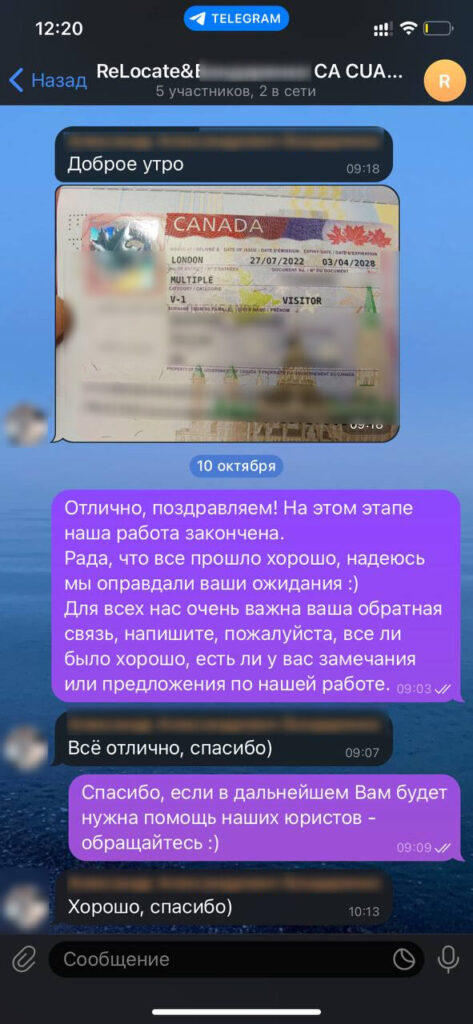
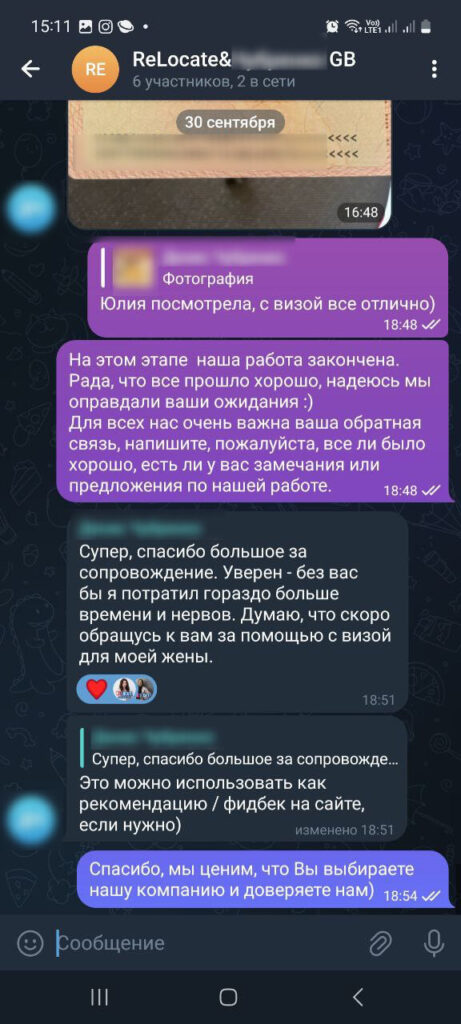
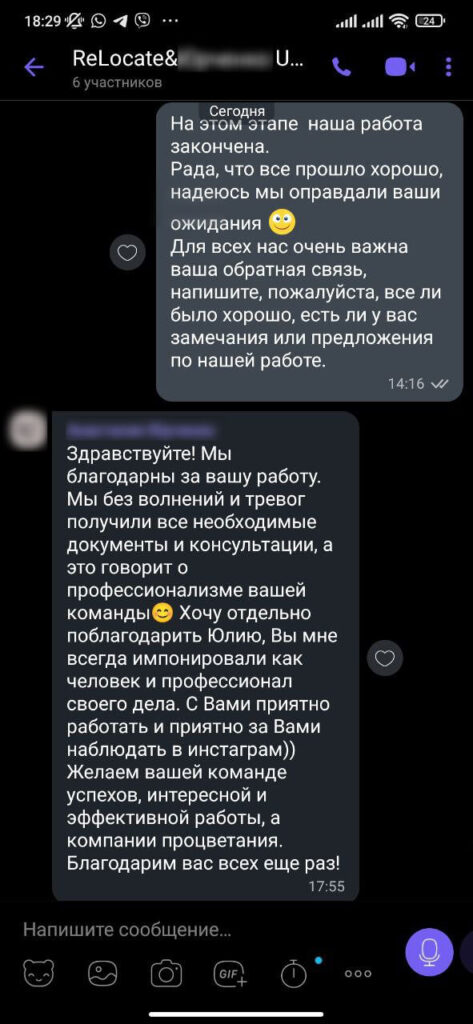
What clients say about our work