











O-1 and O-2 Visas to the USA for Professionals





Need help or consultation regarding O-1 and O-2 visas to the USA? Contact our immigration lawyer.
Write to us in any convenient messenger - we will respond shortly.

What is the O-1 visa and who it is suitable for
The O-1 visa to the USA is a nonimmigrant category for specialists with extraordinary abilities and professionals with international recognition. It is intended for those who have achieved notable results in business, science, sports, arts, film, or television and can confirm their achievements with awards, publications, contracts, or expert recognition.
This type of visa is for those who have already built a strong portfolio and want to legally work in the United States under a contract with an employer or agent without participating in lotteries and without waiting for quotas.
The O-2 visa is issued for key team members who accompany the main applicant and are an essential part of the project or performance.
Who O-1 / O-2 is suitable for

Suitable for entrepreneurs, top managers, IT specialists, researchers, engineers, athletes, and experts with international recognition, awards, publications, or significant contracts.

For artists, musicians, directors, producers, designers, bloggers, influencers, actors, and other creative professionals whose projects have commercial or media success.

The applicant can cooperate with an employer, producer, or agent who files the petition I-129, which provides flexibility in projects and allows legal work in the US market.

For assistants, technical experts, and members of a creative or sports team without whom the performance or project cannot be implemented. Their role must be critically important for the final result.
Types of O-1 and O-2 visas - choose your category
The "O" category includes several visa subtypes depending on the applicant's field of activity and role in the project. The correct choice of category directly affects the strategy for preparing the case and the list of evidence. Below is a brief description of each category.

Suitable for entrepreneurs, IT specialists, researchers, engineers, doctors, scientists, athletes, and top managers with confirmed achievements. It is important to demonstrate international recognition, publications, awards, high income, or participation in significant projects.

For artists, musicians, directors, actors, producers, designers, bloggers, influencers, and creative professionals. Portfolio, media presence, commercial success, participation in significant projects, and substantial professional contracts are evaluated.

Issued for assistants, technical specialists, and team members without whom the implementation of the project is impossible. The applicant must prove that their role is unique and directly related to the work of the O-1 holder.
The O category was created for professionals who have already proven their value at national or international levels. There is no need to wait for quotas or participate in a visa lottery - The decision is made based on compliance with established USCIS criteria and the evidence provided. If you have results, cases, and recognition - you can legally work in the United States right now.
Main requirements for the O-1 / O-2 visa
To obtain an O-1 visa to the USA, the applicant must demonstrate extraordinary professional achievements and have a contract with an employer, agent, or producer in the United States. The application process is built around filing a petition I-129 with USCIS, preparing evidence of achievements, and then applying for the visa through a consulate or changing status within the United States.
Key conditions for obtaining O-1:

A valid contract, project, or series of events is required for filing. The employer or agent acts as the petitioner and submits the documents to USCIS.
Professional recognition must be demonstrated: awards, publications, participation in major projects, high income, expert recommendations, association memberships, or media coverage.
It is important to correctly determine the visa type:
- O-1A - business, science, sports, IT, research
- O-1B - arts, film, television, creative industries
In many cases, a letter from a relevant union, guild, or expert organization confirming the applicant's qualifications is required.
If the applicant is outside the USA - the DS-160 form must be completed and an interview at the consulate must be attended. If already in the USA - it is possible to apply for a change of status without leaving the country.
Assistants, technical, or creative team members may obtain an O-2 visa if their participation is critically important for the implementation of the project.
How to obtain an O-1 or O-2 visa to the USA - step-by-step process
The O-1 visa application process in the USA is a sequential legal procedure based on proving the applicant's professional achievements and having a contract with an employer or agent in the United States. Unlike employment-based immigration categories, there are no quotas, lotteries, or PERM labor certification - the decision is made based on the evidence provided and compliance with USCIS requirements.
At the first stage, the appropriate category is determined:
- O-1A - business, science, sports
- O-1B - arts, film, television
- O-2 - accompanying specialists
Strict adherence to the sequence of steps allows you to obtain the O-1 or O-2 visa faster and reduce the risk of additional requests from USCIS. In most cases, success depends on the quality of evidence preparation and correct completion of the petition, so a well-designed strategy significantly increases the chances of case approval.
Main forms and applications for O-1 and O-2 visas
The process of obtaining O-1 and O-2 visas to the USA is built around filing a petition by an employer or agent and preparing evidence of the applicant's professional achievements. Unlike immigration categories, PERM labor certification is not used here and the immigration petition I-140 is not filed. Correctly completed USCIS forms and consular applications play a key role.

Correct completion of forms and consistent submission of documents significantly increases the chances of approval of the O-1 or O-2 visa. In most cases, the success of the case depends on the completeness of the evidence and the correct preparation of the petition I-129, since this stage forms the basis of the entire USCIS review process.
O-1 and O-2 - work in the USA for professionals under contract
O-1 and O-2 visas to the USA allow foreign specialists with outstanding achievements to legally work in the United States under a contract with an employer or agent. Unlike many work programs, the application does not depend on a lottery or quotas and is based on proving the applicant's professional level. This format makes the O category one of the most flexible and fastest ways to start a career or projects in the United States.
What O-1 and O-2 visas provide in practice:

The O category does not participate in visa lotteries and is not limited by annual caps. The decision is based on achievements and a contract, which provides a real and predictable chance to obtain work authorization.

The applicant can work through an agent, producer, or under several contracts at the same time. This format is especially convenient for specialists from IT, science, sports, media, and creative industries where project-based employment is common.

Key specialists can obtain an O-2 visa for team members without whom the project cannot be implemented. Additionally, the applicant's family members have the right to accompany them and live in the United States legally.

Why immigration lawyer support is important
Applying for O-1 and O-2 visas to the USA is not just submitting forms, but a complex legal process where the quality of evidence and the logic of the case structure play a decisive role. Immigration authorities evaluate not only the documents but also how convincingly the applicant's professional achievements, uniqueness, and the necessity of working specifically in the United States are proven.
Mistakes in choosing the category (O-1A, O-1B or O-2), a weak evidence package, an incorrectly prepared petition I-129, or the absence of mandatory letters often lead to delays and additional requests from USCIS.
Legal support helps structure the case, properly present achievements, prepare employer documents, and go through all stages - from the petition to obtaining the visa - more calmly and predictably.
We:
With professional support, the applicant saves time, reduces the risk of refusals, and receives a clear strategy for obtaining an O-1 or O-2 visa. A properly prepared case significantly increases the chances of approval and allows you to focus on work and projects in the United States.
Want to obtain a visa as soon as possible?
Discuss your situation with an immigration expert.

ReLocate - a team of immigration lawyers and attorneys. For more than 14 years we have been assisting clients with immigration matters and helping with complex visa applications. We specialize in immigration law, passport and visa regulations, and border control procedures.
A team of attorneys will work on your case



Cost of our services
Submitting documents outside the USA - Consular Processing (visa issuance)
Government and consular fees
| Submission of the I-129 petition to USCIS | from 510 usd |
| Consular fee for visa issuance (DS-160, interview) | 205 usd |
Estimated mandatory fees for the main applicant: from 715 USD
Additional expenses (if necessary)
- from 50 USD - assistance in obtaining a police clearance certificate
- from 6 USD / 1800 characters - written translations (rus/eng)
- additional USCIS government fees may apply depending on the type of filing
- our service payment can be divided into stages
Submitting documents with change of status in the USA - Change of Status
Government and consular fees
| Submission of the I-129 petition to USCIS | from 510 + 1440 usd |
Estimated mandatory fees for the main applicant: from 1950 USD
Note
Government and consular fee amounts are established by USCIS and the US Department of State and may change without prior notice. The current amounts should be verified at the time of filing.
Why our services are not an expense, but an investment
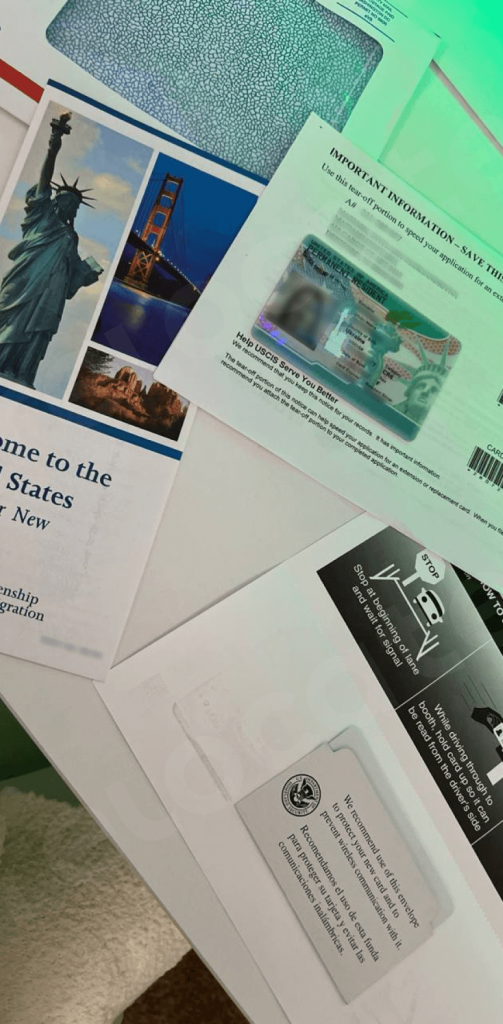
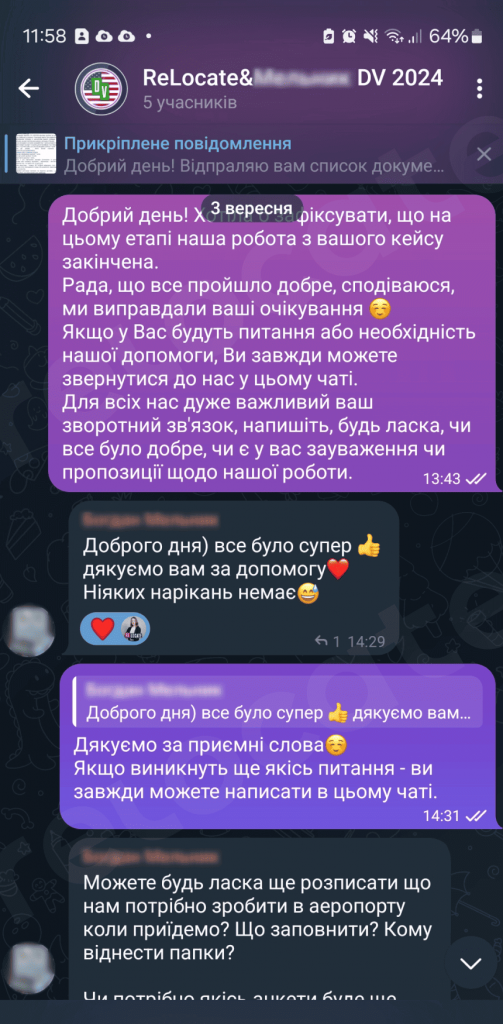
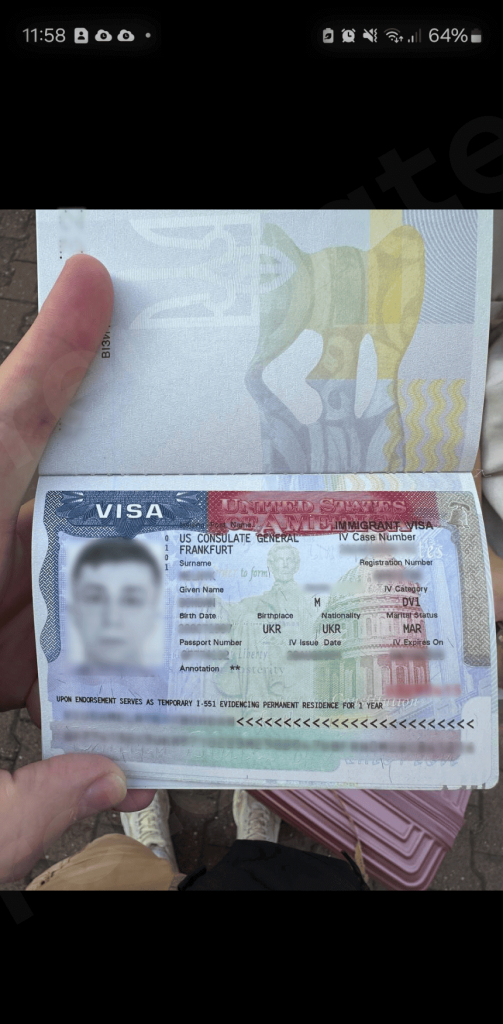
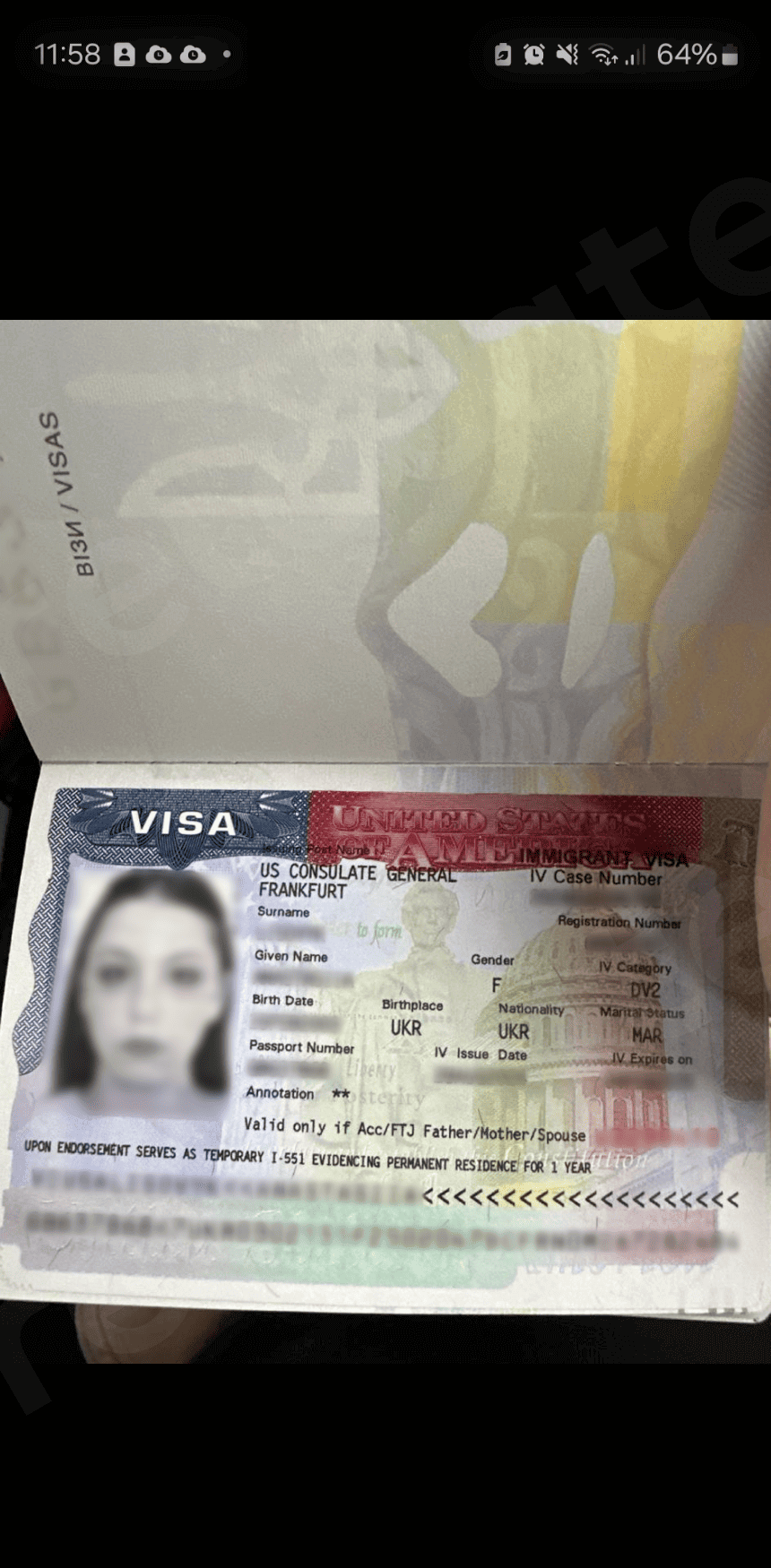
Ready to discuss your situation with a lawyer?
Our lawyers are available. Leave a request and receive a consultation.
Answers to frequently asked questions
The main requirements for the O-1 visa include:
- - having a contract with an employer or agent in the USA
- - proof of extraordinary achievements
- - filing the I-129 petition
- - receiving approval from USCIS
- - obtaining the visa through a consulate or changing status within the country;
To understand how to obtain the O-1 visa, the following steps are usually completed:
- - selecting the O-1A or O-1B category
- - contract with an employer or agent
- - collecting evidence of achievements
- - filing the I-129 petition
- - completing the DS-160 form and interview or change of status